Cell-Based Assays

Accelerate cell-based assay workflows with automated solutions for single-cell isolation, liquid handling, cell culture maintenance, and analysis.

Automating Cell-Based Assays

Cell-based assays rely on repeated liquid handling, washing, media exchange, staining, and monitoring steps to generate reliable, reproducible data. Maintaining cell health and minimizing variability throughout these workflows are essential for producing meaningful results.

CYTENA's product portfolio helps automate these critical steps, reducing manual intervention while improving consistency and throughput.

Cell-Based Assays

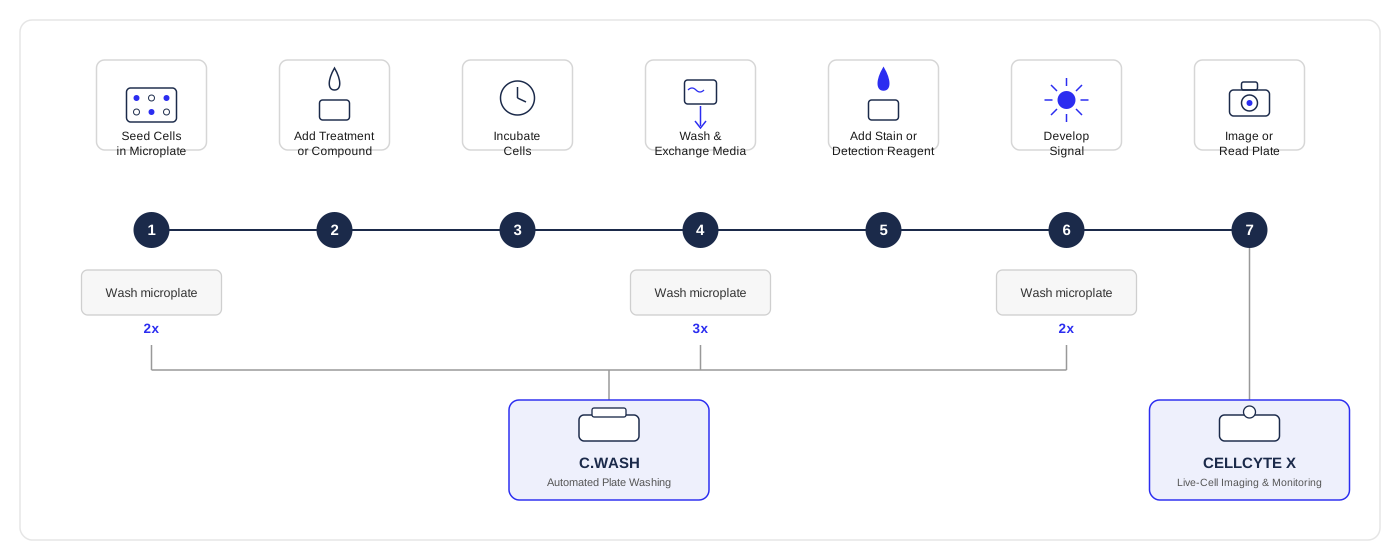
A Typical Cell-Based Assay Workflow

Explore how CYTENA solutions support and automate key stages of modern cell-based assay workflows, helping improve consistency, throughput, and reproducibility.
cell_based_assay_workflow_diagram
IDOT S Source Plate LR
SUB-APPLICATIONS

High-Throughput Screening

Accelerate compound screening with miniaturized reagent dispensing and automated plate washing, enabling higher throughput, reduced reagent consumption, and reproducible assay performance across screening campaigns.
 

Solutions: I.DOT + C.WASH PLUS


Cell Viability Assays

Measure cell health, proliferation, and cytotoxicity with gentle liquid handling that preserves delicate cultures and improves reproducibility.

Solutions: C.WASH PLUS + CELLCYTE X

CWASH-App-Note-1024x540
single cell seeding

Single-Cell Models

Generate reproducible single-cell-derived models for downstream functional assays using image-based single-cell isolation and gentle, contact-free washing to help preserve cell health and workflow consistency.

Solutions: UP.SIGHT + C.WASH PLUS

Application Notes

APPLICATION NOTE

C.WASH PLUS Plate Washer Allows Reusing of ARTEL MVS Microplates

Unlock major cost savings by cleaning and reusing ARTEL MVS microplates with high-precision non-contact washing that preserves optical accuracy.


Download Now →

APPLICATION NOTE

Highly Efficient Washing of Microwell Plates Using Centrifugal Forces

Slash background noise and boost assay sensitivity using gentle centrifugal washing that rapidly removes supernatants without disturbing delicate cells.


Download Now →

APPLICATION NOTE

Multiplex Protein Analysis Using LUNARIS™ Kits and the CYTENA C.WASH Plate Washer and Liquid Dispenser

Supercharge multiplex protein assays with automated non-contact washing that cuts reagent waste, lowers CV variability, and maximizes signal clarity.

Download Now →

APPLICATION NOTE

Automated Noncontact Washing of Suspension Cells

Protect fragile suspension cells from harsh vacuum shear stress with gentle centrifugal washing engineered for maximum cell retention and viability.


Download Now →


More Resources

Products for Cell Based Assays

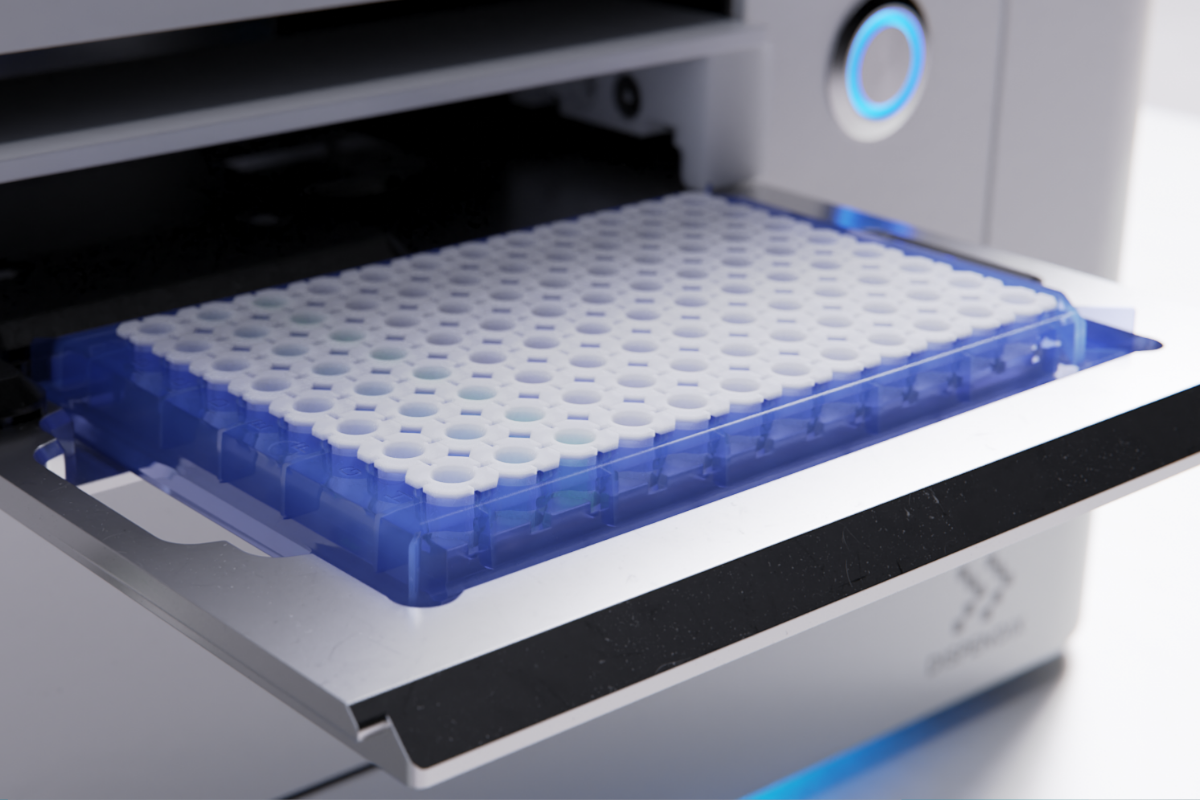
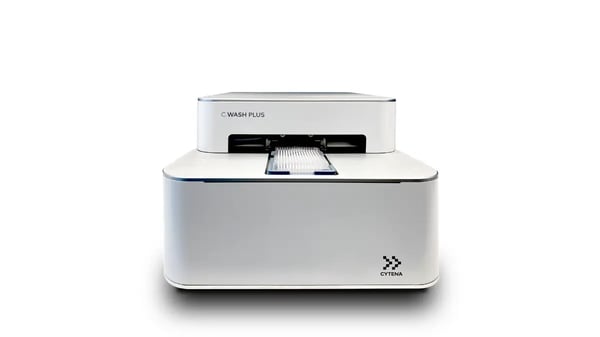
C.WASH PLUS

Centrifugal plate washing system, compatible for 96-, 384-, and 1536-well plates.

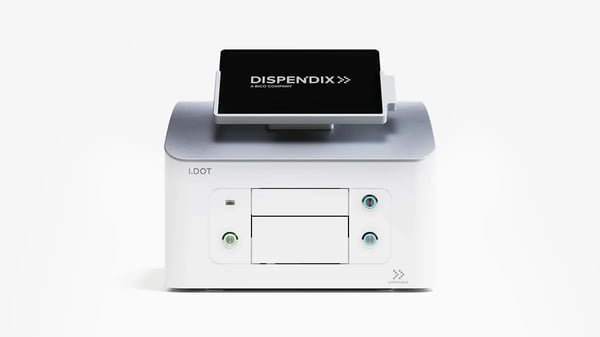
I.DOT

Tipless, low-volume non-contact dispensing with the I.DOT for fast, precise liquid handling with minimal waste across life science applications.

SPEAK TO OUR EXPERTS

Get a Quote or Book a Demo

NEED MORE INFORMATION?

Frequently Asked Questions

What are cell-based assays?

At their core, cell-based assays are experiments where we use living cells (like standard immortalized lines, delicate primary cells, or complex 3D organoids) to test how biological systems respond to outside stimuli. This could be anything from new drug candidates to toxins or genetic therapies.

Think of it this way: instead of putting a target protein in a test tube and seeing if a molecule binds to it, you put that molecule into a working, living cell to see what actually happens in real life.

Why do we prefer cell-based assays over simple biochemical assays?

Biochemical assays are great for quick screening, but they lack biological context. A drug candidate might bind perfectly to an isolated protein in solution, but if it cannot cross a cell membrane, or if the cell immediately breaks it down into something useless, that hit is a dead end.

Cell-based assays give us the real story:

  • Physiological context: You get to observe membrane permeability, active transport, and off-target effects in real time.

  • Toxicity insights: You learn early on whether a compound actually kills the cell or alters its behavior before wasting months on downstream testing.

How does CYTENA approach cell-based assays?

When we design our platforms, our main goal is simple: keep the cells happy while eliminating unnecessary waste.

Here is how our team approaches the workflow:

  • Centrifugeless Washing (CYTENA C.WASH): Instead of poking needles into wells, the C.WASH uses soft centrifugal forces to spin liquid out of microplates. Your adherent monolayers, suspension cells, and 3D organoids stay intact, while background noise is dramatically reduced.

  • Gentle, Non-Contact Dispensing (DISPENDIX I.DOT): Instead of using pipette tips, our drop-on-demand technology uses gentle air pressure to eject micro-droplets (down to 8 nL) straight into target wells. No tips ever touch the liquid, shear stress is practically zero, and dead volume drops to less than 1 µL per source well.

  • Proof of Clonality (CYTENA UP.SIGHT): For single-cell isolation and functional assays, our microfluidics gently line up single cells while a nozzle camera takes a picture, giving you indisputable Day 0 proof of clonality with high post-dispense cell survival.

Is miniaturizing cell-based assays to 384- or 1536-well plates worth the effort?

Absolutely, provided you have the right tools. Moving from standard 96-well plates to 384-well or 1536-well formats cuts consumable costs, which can dramatically reduce your cost per datapoint.

However, miniaturization only works if your liquid handler can accurately dispense nanoliter volumes without drying out the wells or killing the cells in the process. That is exactly why low-volume, non-contact dispensing has become the standard for modern high-throughput screening (HTS).

EXPLORE I.DOT