


















Monoclonal Antibody Production
Monoclonal antibody production generates identical antibodies from a single immune cell clone. By isolating individual antibody-producing cells and expanding them into clonal cell lines, researchers can achieve consistent expression and target specificity.
From Single Cells to Antibody-Producing Clones
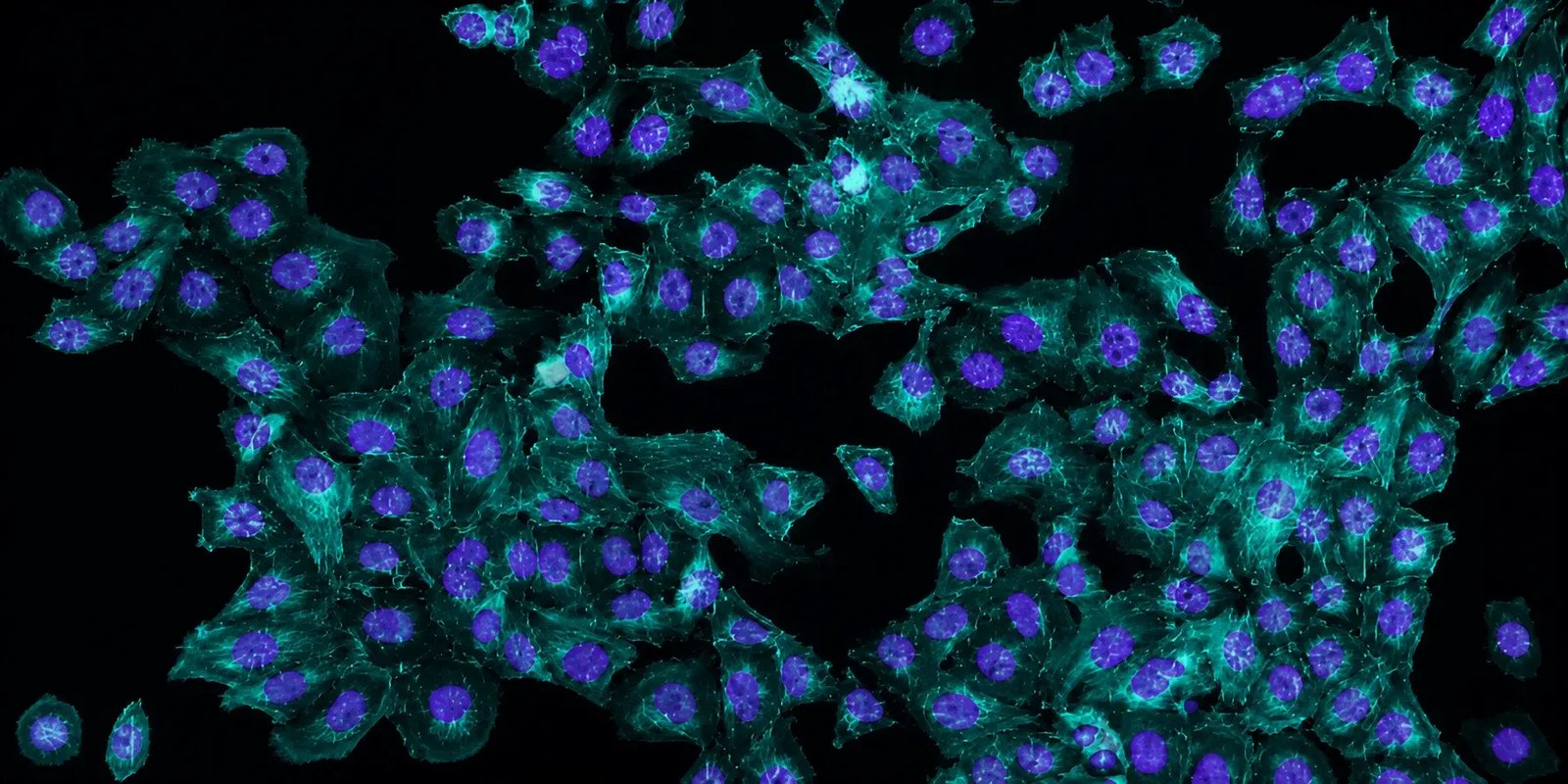
Monoclonal antibody production begins with antibody-producing cells, such as B cells or engineered expression systems. To ensure monoclonality, single cells are isolated into individual wells, where imaging-based systems can confirm that each resulting clone originates from a single progenitor.
Clones are then screened for key characteristics such as antibody specificity, binding affinity, and productivity. High-performing clones are selected and expanded for downstream development and manufacturing.
A Modern Workflow for Antibody Production
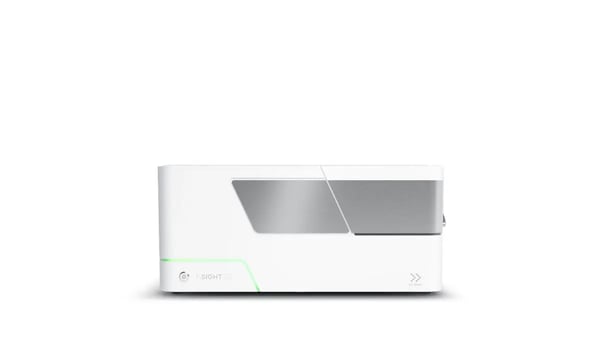
Accelerate antibody production with the UP.SIGHT’s precision dispensing and intelligent imaging. From gentle CHO single-cell isolation in 96- and 384-well formats to real-time growth monitoring and early titer assessment with F.QUANT.
1. Transfection / Minipools
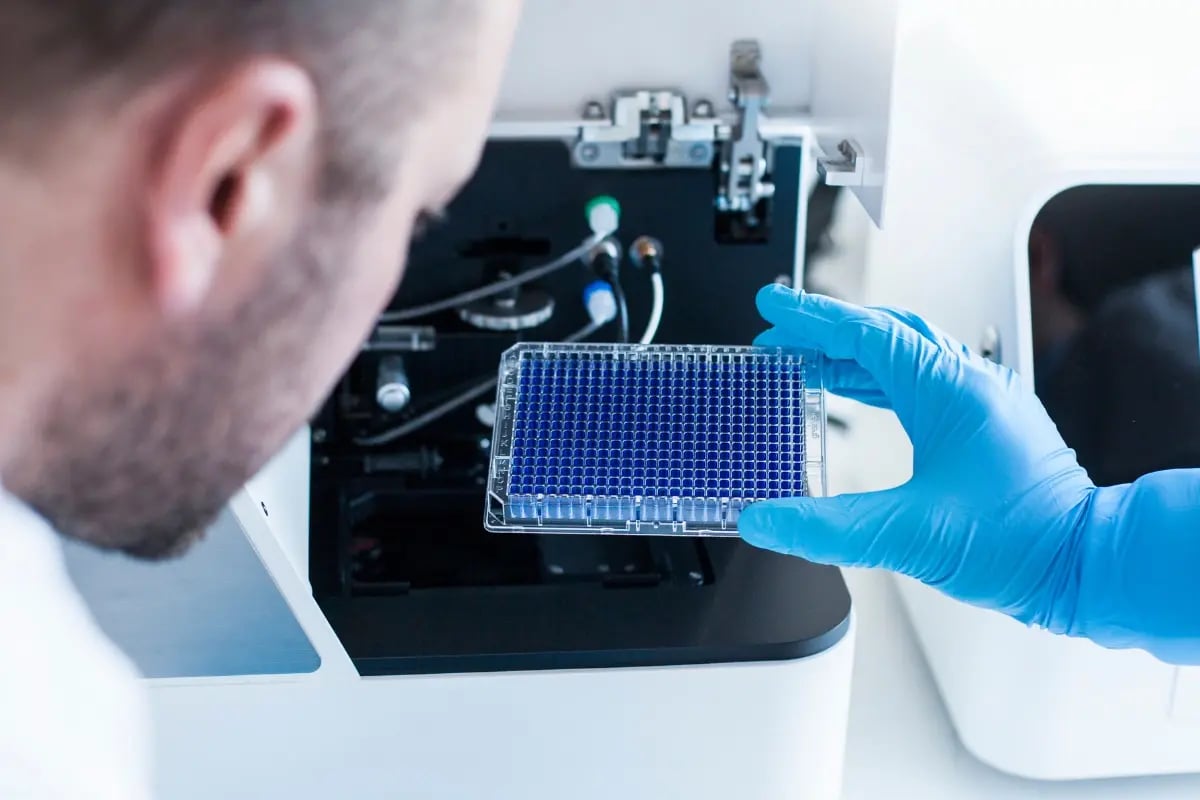
2. Cloning into 96- or 384-well plates
Solution: UP.SIGHT
3. Day-X imaging & confluency analysis
Solution: UP.SIGHT
4. Proof of Clonality
Solution: UP.SIGHT
5. Cell Counting
Solution: UP.SIGHT
6. Clone Expansion
Solution: UP.SIGHT
7. Titer Measurement
Solution: F.QUANT
8. Top Clone Selection
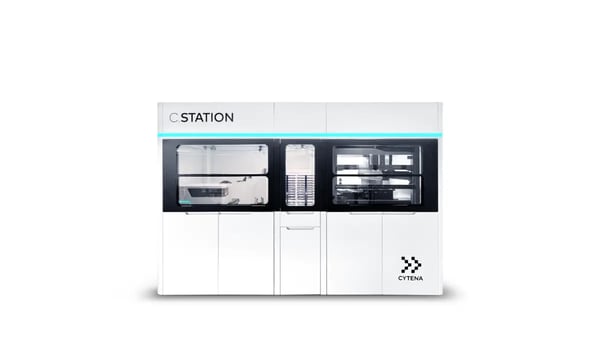
Solution: C.STUDIO
9. Bioreactor
Hybridoma-Based Monoclonal Antibody Production
Hybridoma-based monoclonal antibody production is a method for generating antibodies from a single B cell clone. It involves the fusion of antibody-producing B cells with myeloma cells, followed by selection and isolation of individual hybrid clones. Single-cell isolation and clonal selection are used to ensure monoclonality and consistent antibody specificity.
Recombinant Antibody Discovery and Engineering
Recombinant antibody production uses engineered expression systems to generate antibodies with defined specificity and structure. Antibody sequences are introduced into suitable host cells, followed by single-cell cloning and selection to identify high-performing antibody-expressing clones for further development and optimization.
Antibody-Expressing Clonal Cell Line Development
Antibody-expressing clonal cell line development focuses on establishing stable mammalian cell lines such as CHO or HEK cells for recombinant antibody production. Single-cell isolation is used to derive monoclonal populations, which are expanded and evaluated to identify high-producing, stable clones suitable for long-term antibody manufacturing.
Application Notes
More Resources
Therapeutic Applications and Production Challenges of Monoclonal Antibodies
Key strategies for overcoming yield, stability, and throughput bottlenecks in modern monoclonal antibody manufacturing.