


















Liquid Handlers
Automated Liquid Handling
What are Liquid Handlers?
Liquid Handlers are laboratory instruments that automate the accurate transfer of liquids across volumes ranging from nanoliters to milliliters. Available as manual, semi-automated, or fully automated liquid handling systems, they improve precision, reduce manual pipetting, and streamline laboratory workflows.
Automated liquid handlers play a critical role in laboratory automation by increasing throughput, minimizing human error, and supporting applications in biotechnology, pharmaceuticals, diagnostics, genomics, drug discovery. and beyond
I.DOT: Your Non-Contact Liquid Handler
The I.DOT helps researchers improve precision, reduce reagent consumption, and simplify low-volume liquid handling workflows. Its innovative, non-contact dispensing technology accurately delivers volumes as low as 8 nL, eliminating the need for disposable pipette tips while reducing the risk of cross-contamination.
Designed to fit seamlessly into existing workflows, the I.DOT features a dispensing resolution of 0.1 nL that enables reaction miniaturization, minimizes dead volume, lowers reagent costs, and reduces plastic waste—all without compromising performance.
Speed
Dispenses 10 nanoliters across a 96-well plate in 10 seconds and across a 384-well plate in 20 seconds.
Liquid Class Range
Supports a broad range of liquid types with predefined dispensing settings, including PCR reagents, magnetic beads, antibodies, DMSO, and glycerol (up to 65%)—configurable at the individual well level.
Non-Contact
Droplets are dispensed into the target plate below the source plate which eliminates carryover and cross-contamination.
Transform Your Laboratory with Automated Liquid Handlers
Improved Reproducibility
Consistency is essential in scientific research. Automated systems follow programmed protocols exactly, ensuring that experiments can be replicated with the same conditions across runs, users, and even different lab locations.
Enhanced Accuracy and Precision
Automated liquid handlers deliver highly precise and reproducible liquid transfers, even at very small volumes. This minimizes variability between samples and ensures consistent experimental outcomes, especially critical in applications such as drug discovery and genomics.
Reduced Human Error
Reduced Human Error
Manual pipetting is prone to inconsistencies caused by fatigue, technique differences, and repetitive strain. Liquid handling automation eliminates many of these variables, leading to fewer errors and more dependable data.
Time and Cost Efficiency
By automating repetitive tasks, lab personnel can focus on higher-value activities such as data analysis and experimental design. Over time, this leads to reduced labor costs and improved overall productivity.
Improved Reproducibility
Consistency is essential in scientific research. Automated systems follow programmed protocols exactly, ensuring that experiments can be replicated with the same conditions across runs, users, and even different lab locations.
Enhanced Accuracy and Precision
Automated liquid handlers deliver highly precise and reproducible liquid transfers, even at very small volumes. This minimizes variability between samples and ensures consistent experimental outcomes, especially critical in applications such as drug discovery and genomics.
Reduced Human Error
Manual pipetting is prone to inconsistencies caused by fatigue, technique differences, and repetitive strain. Liquid handling automation eliminates many of these variables, leading to fewer errors and more dependable data.
Time and Cost Efficiency
By automating repetitive tasks, lab personnel can focus on higher-value activities such as data analysis and experimental design. Over time, this leads to reduced labor costs and improved overall productivity.
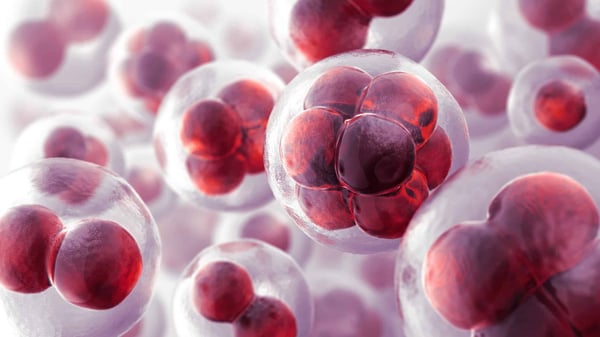
Validated in Real-World Cell Line Development
Liquid handlers streamline cell-line development by automating precise reagent, media, and cell dispensing throughout the workflow. From transfection and clone screening to cell expansion and assay preparation, they improve reproducibility, reduce manual errors, and enable high-throughput processing, helping researchers accelerate the development of stable, high-quality cell lines.
Maximizing Efficiency and Sustainability for NGS Library Preparation: 1:5 Miniaturization of Illumina DNA Prep
Miniaturization of library prep workflows remains as an ongoing achievement for many researchers as it saves cost and time.
AMPure Beads and Beyond: Automated Bead-based DNA Cleanup at Scale
Bead-based clean ups have become the standard way to purify library samples to obtain desired fragment lengths. Scaling this process can be accomplished by selecting the right automated technologies.
G.PURE GEN 2 - Automated, Tipless Magnetic Bead-Based DNA Purification
Dive deeper into the release of the new G.PURE GEN 2 and how this technology is reinventing the way we perform DNA purification and bead-based clean ups.
Precise Liquid Handling for Synthetic Biology: Practical Workflows with the I.DOT
Discover how the I.DOT, our non-contact liquid handling dispenser, has advanced synthetic biology research.
Related Applications
CELL LINE DEVELOPMENT
Generate stable, high-producing monoclonal cell lines with the support of a powerful liquid handler for all dispensing processes.
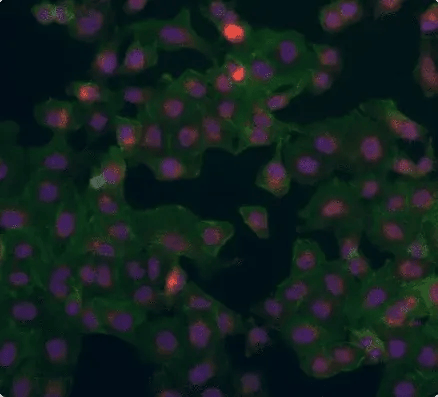
ASSAY DEVELOPMENT & OPTIMIZATION
Improve DoE (design of experiments) for drug discovery assays with enhanced automated reagent dispensing.
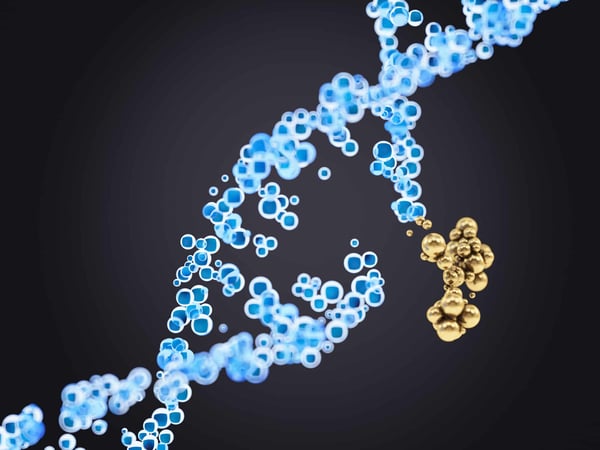
GENE THERAPY
Generate well-characterized engineered cell clones with greater confidence in single-cell origin with an automated dispensing system.
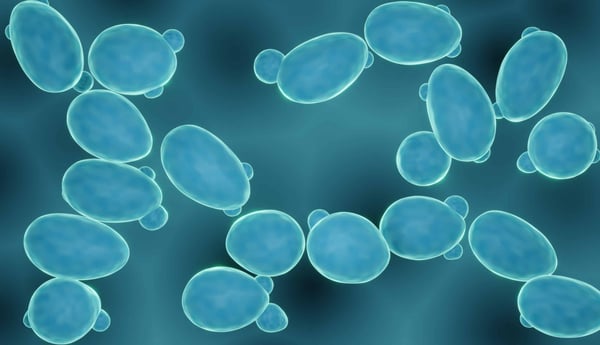
SYNTHETIC BIOLOGY
Accelerate the development of new biological parts, systems, and devices at a molecular level.
Frequently Asked Questions
What is a liquid handler?
A liquid handler is an automated laboratory instrument designed to precisely dispense, transfer, and mix liquids in workflows such as sample preparation, assay setup, and reagent distribution.
How does a liquid handling system work?
Liquid handlers use pipetting technologies (air displacement, positive displacement, or non-contact dispensing) combined with robotic movement to transfer liquids between plates, tubes, or reservoirs.
What is the difference between contact and non-contact dispensing?
Contact dispensing touches the liquid surface or container, while non-contact dispensing (like acoustic or droplet-based systems) transfers liquid without physical contact, reducing contamination risk.
Can liquid handlers handle viscous or volatile liquids?
Yes, but performance depends on the dispensing technology. Some systems are specifically designed to handle challenging liquids more effectively. The I.DOT includes a wide range of liquid classes that are optimized to dispense all kinds of reagents.
Do liquid handlers require programming?
Some systems require scripting, while others offer user-friendly software with drag-and-drop interfaces. Our systems (I.DOT series), do not require any user programming and can be integrated into new or existing workflows from day 1.
What is the future of liquid handling automation?
The future lies in miniaturization, increased automation, AI-driven workflows, and integration with fully autonomous labs.