

















Synthetic Biology
Accelerating and automating single-cell cloning of bacteria,
yeast and other microorganisms using single-cell dispensing technology
What is Synthetic Biology?
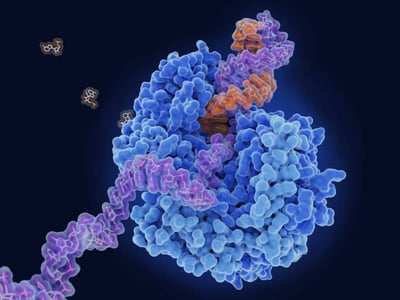
Synthetic biology combines engineering principles with biology to design and optimize living systems for research, biotechnology, and medicine. Engineered microorganisms can be used to produce valuable biomolecules, including recombinant proteins, peptides, and biopharmaceutical products.
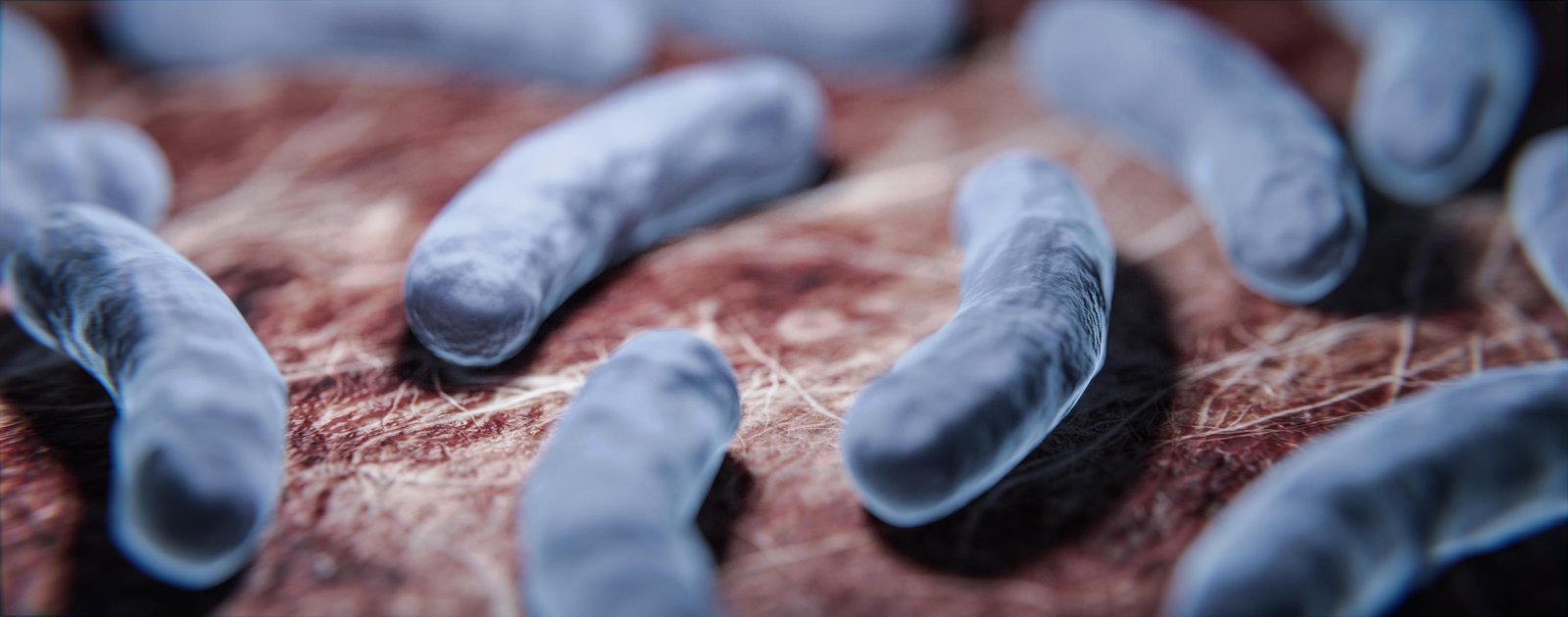
Microbial hosts such as E. coli and S. cerevisiae are widely used for recombinant protein production due to their rapid growth, scalability, and cost-effective production. These systems support the development of recombinant proteins, antibody fragments, and other therapeutic molecules.
Efficient isolation and screening of engineered microbial strains is critical to these workflows. CYTENA’s B.SIGHT enables rapid single-cell microbial isolation directly into liquid culture, supporting clonal strain generation and the discovery of previously unculturable microorganisms.
Paving the Way For Successful Biopharmaceuticals
Cell expansion can be significantly streamlined with the B.SIGHT. After transfection and initial expansion, cells of interest can be isolated with out single-cell dispenser into agar culture, reducing overall time spent and accelerating growth of colonies for downstream analysis and selection.
1. Cell Transfection
Successful transfection enables cells to express the target protein, creating the foundation for downstream clone selection, cell expansion, and protein production.
2. Cell Suspension
After initial expansion, cells of interest are suspended intentionally for isolation.
3. Single-Cell Isolation
The B.SIGHT can isolate cells of interest into agar cultures. This process of cell expansion can be streamlined with the B.SIGHT.
4. Colony Growth and Analysis
Culturing, transformation, selection, and single-cell isolation with the B.SIGHT can all be completed in one day. Following that, the second day can be dedicated to colony growth and downstream analysis.
Microbial Product
Discovery and Development
Reduce time and cost on microbial product discovery and development projects using rapid and reliable single bacteria or yeast isolation directly into liquid culture.
Protein Engineering
Obtain highly valuable proteins with genetically modified pathways in yeast or bacteria. Benefit from the high-throughput and fast isolation of single strains without the need for agar plating or colony picking.
Application Notes
Explore our application notes to learn how automated technologies streamline synthetic biology workflows, supporting efficient cell engineering, recombinant protein production, and the development of optimized microbial and mammalian cell lines.
Products for Synthetic Biology
Frequently Asked Questions
What sample types can B.SIGHT process?
Complex microbiome samples including fecal matter, soil, water, fermented foods and bioengineered microbial cultures have all been processed with B.SIGHT, with exceptional recovery of the microbial diversity, and image-based verification of single-cell isolation for every well.
Can B.SIGHT be used for microbial strain development, probiotics or LBPs?
Yes. B.SIGHT isolates thousands of clonal starting points in parallel, so you can screen producers and variants, develop novel growth media, and raise the odds of finding the low-frequency, high-value strains behind fermentation, probiotics and live biotherapeutic products (LBPs).
Which CYTENA single-cell dispenser is right for me?
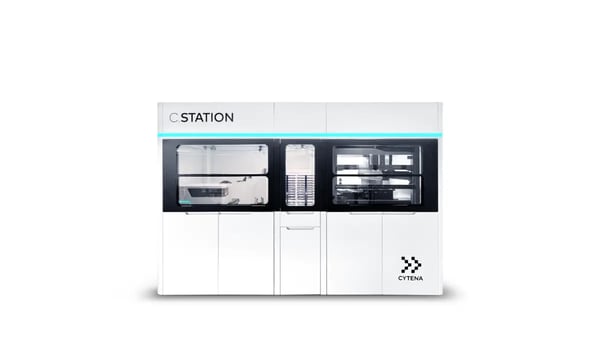
C.SIGHT for image-based dispensing at the cost of entry; F.SIGHT to add fluorescence sorting and center-of-well precision (CLD and omics); UP.SIGHT for all-in-one system for modern CLD labs; B.SIGHT for microbiology; C.STATION to automate the whole CLD workflow from mini pool to top clones.
Can CYTENA single-cell dispensers sort or read fluorescent cells?
Yes — F.SIGHT, B.SIGHT, UP.SIGHT and C.STATION carry a 488 nm laser (replaceable with 561 nm on request) and can gate on fluorescence in addition to size and roundness to either include at varying levels of FL intensity labelled cells. The entry-level C.SIGHT dispenses on cell size and morphology, without fluorescence.