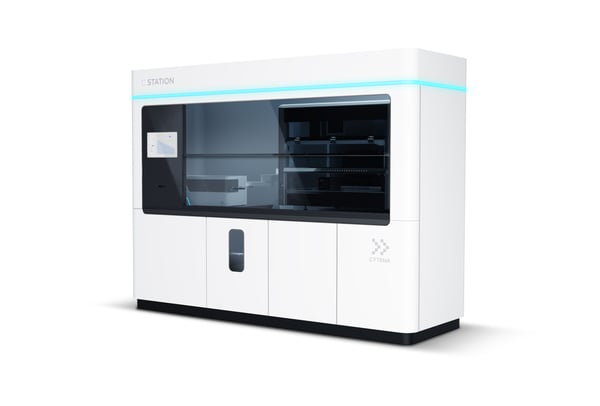
UP.SIGHT
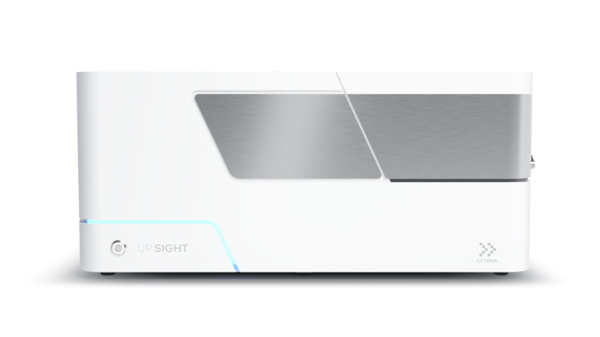
Single-cell dispenser with fluorescence and plate imaging for double-assured monoclonality.

Cell therapy is a field of regenerative medicine that uses living cells, including stem cells and engineered immune cells, to treat disease and repair damaged tissues. The development of these therapies relies on stable, well-characterized cell lines and scalable cell engineering workflows.
Cell therapy and stem cell research focus on understanding, developing, and applying living cells for regenerative medicine and disease treatment. Stem cells are of particular interest due to their ability to self-renew and differentiate into specialized cell types, making them valuable tools for disease modeling, drug discovery, tissue engineering, and the development of novel therapies.
To support these applications, researchers must identify, isolate, and characterize cell populations with the desired properties. Establishing clonal cell lines from single cells helps ensure genetic consistency and reproducibility, while ongoing characterization and expansion are critical for downstream research and therapeutic development.
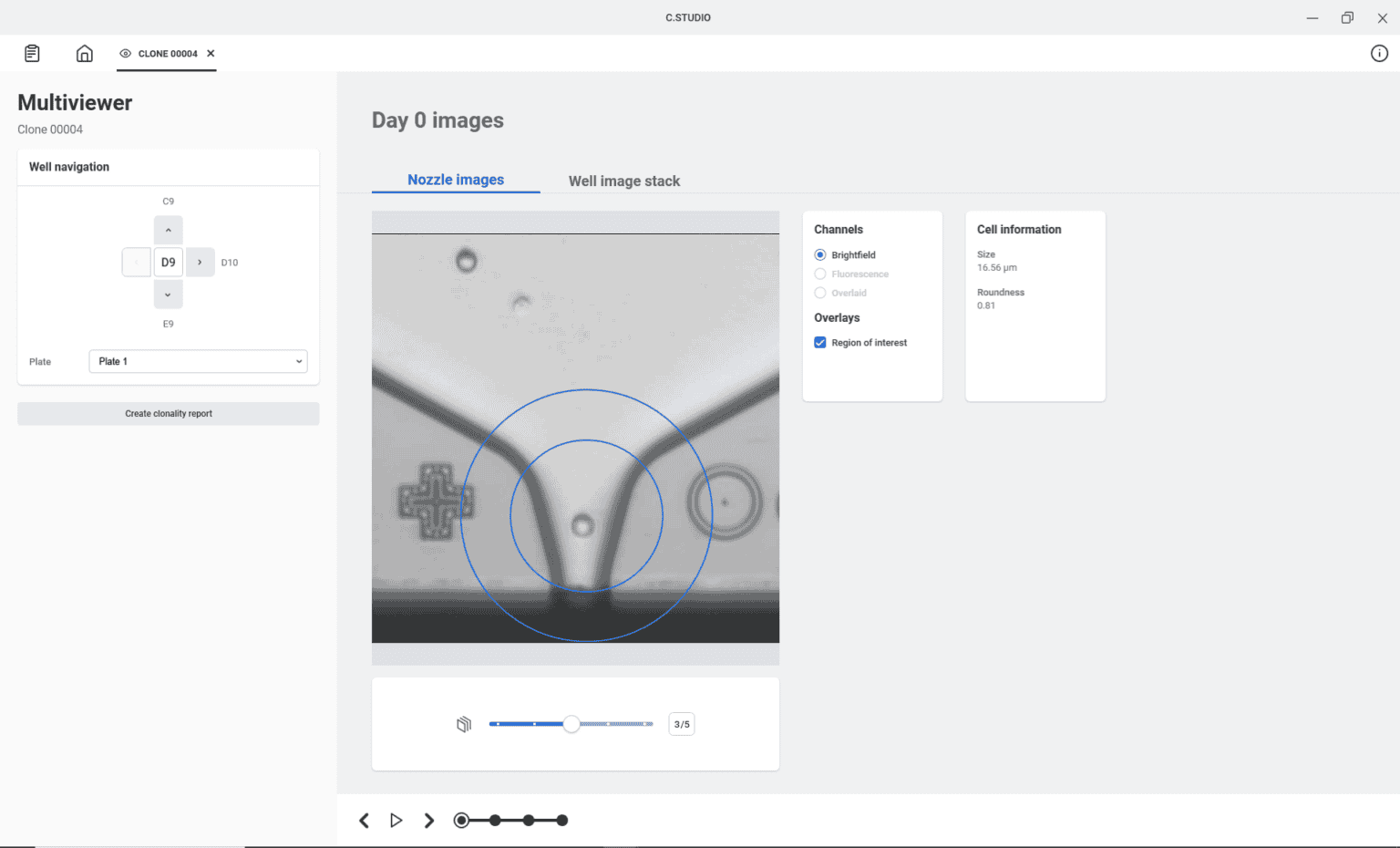
The UP.SIGHT single-cell dispensing platform gently isolates single stem cells into 96- or 384-well plates, confirmed by nozzle and well-bottom imaging at the point of dispensing.
Induced pluripotent stem cell (iPSC) engineering combines cellular reprogramming with single-cell cloning to establish well-defined iPSC lines for research and therapeutic development.
Single-cell isolation enables the generation of clonal iPSC populations, supporting genetic consistency, controlled differentiation, and reproducible stem cell research.
This process focuses on isolating and expanding well-defined stem cell–derived populations for research and translational applications.
Single-cell derived clones are evaluated for stability, viability, and differentiation potential before being expanded into consistent populations for use in regenerative medicine and cell-based therapy research.
This workflow focuses on the formation and evaluation of colonies originating from individual stem cells or stem cell–derived populations.
Early growth behavior, morphology, and differentiation patterns are assessed to ensure reproducible and well-defined populations for downstream stem cell research and development.
Gentle, high-recovery single-cell cloning of human iPSCs with built-in imaging-based verification of clonality.
The findings highlight the F.SIGHT as a high-throughput, gentle, and precise platform for generating CRISPR-edited monoclonal stem cell lines.
How the UP.SIGHT combines double verification of single-cell dispensing, via nozzle imaging and novel 3D full-well imaging, to confirm monoclonality (>99.99%) without centrifugation or fluorescent labeling.
Induced pluripotent stem cells (iPSCs) are revolutionizing biomedical research and healthcare by enabling the generation and modification of virtually any cell type to suit various applications. In this blog, we dive deeper into the potential of iPSC-derived cell therapies.
In this webie explore a revolutionary leap in cell line development. A major bottleneck in the cell line engineering field has been the use of manual single-colony isolation of engineered iPSCs.
Single-cell dispenser with fluorescence and plate imaging for double-assured monoclonality.

Automate cell line development–integrating single-cell isolation, imaging and clone selection into one efficient, compliant workflow.
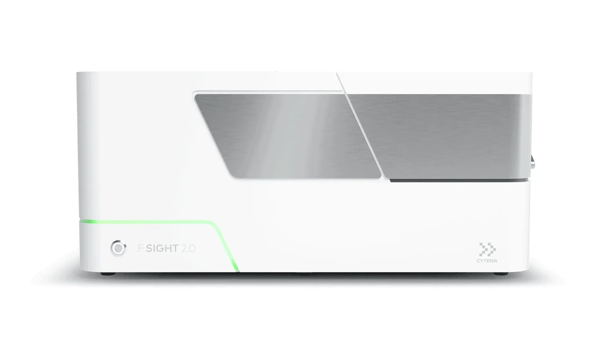
Dual-channel fluoroscent and brightfield sorting for precise isolation of labeled cells.
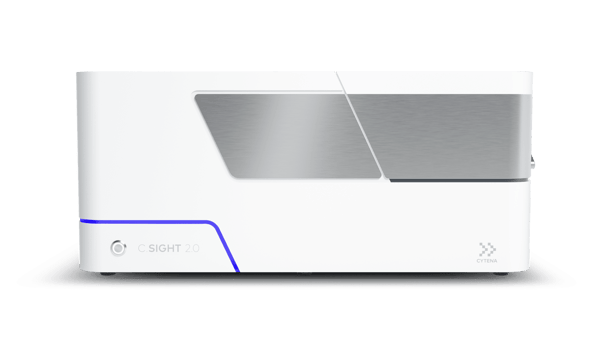
Fast, label-free single-cell isolation engineered for high viability and outgrowth.