F.SIGHT
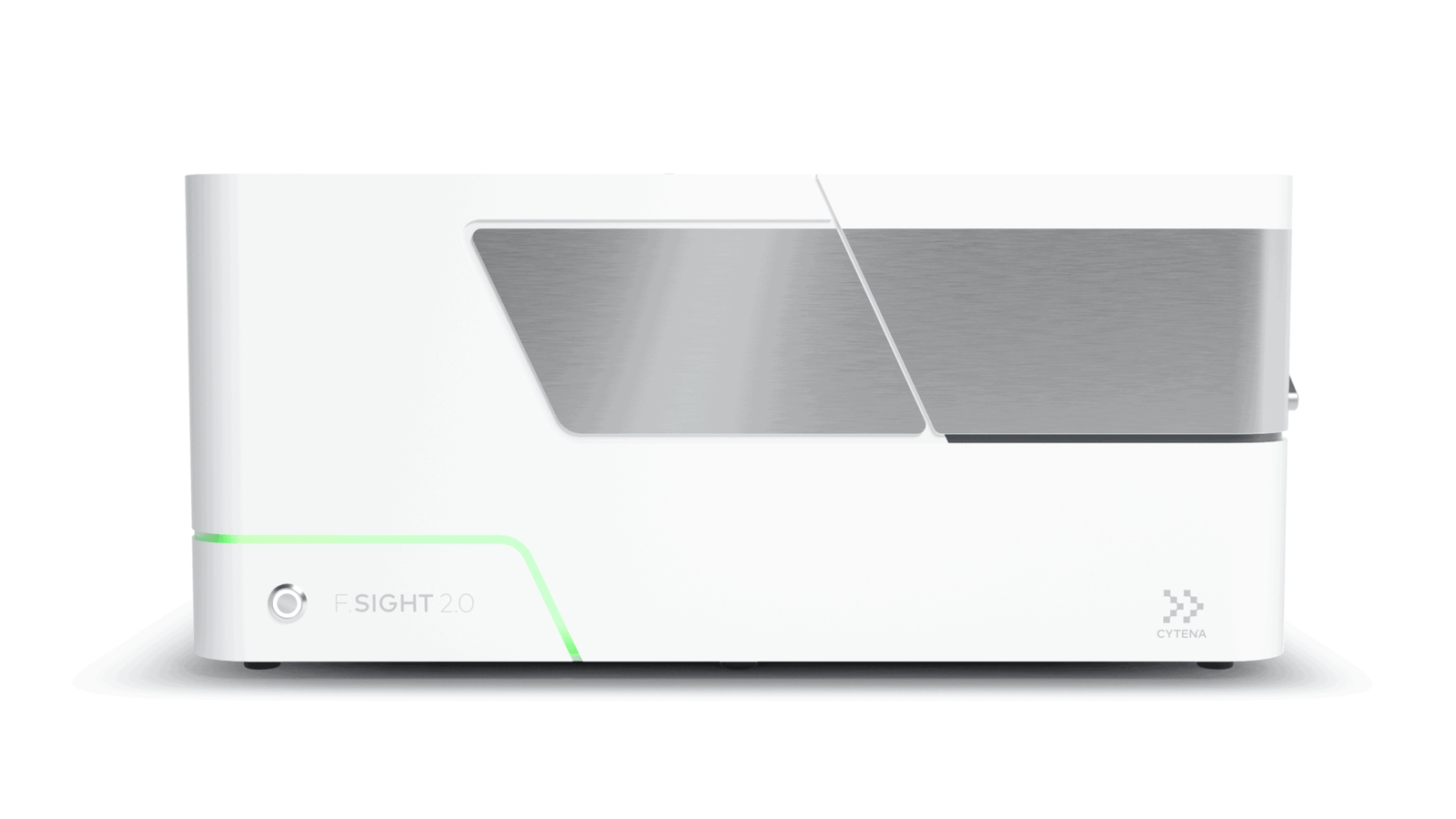
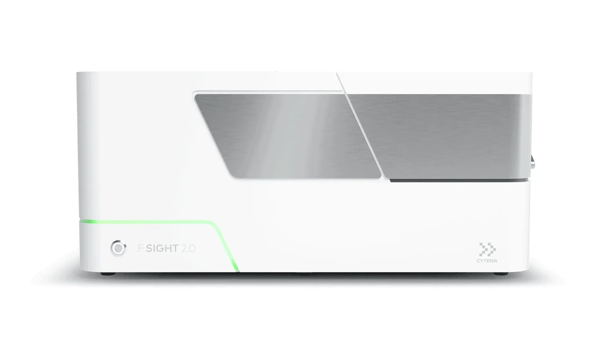
Dual-channel fluoroscent and brightfield sorting for precise isolation of labeled cells.

A scalable platform for plate-based single-cell omics workflows
Advances in instrumentation, biochemical techniques, and computational technologies have accelerated the adoption of single-cell analysis across a wide range of research fields, including cancer biology, immunology, and microbiology. Single-cell omics refers to the comprehensive study of individual cells by analyzing molecular information such as DNA, RNA, and proteins, enabling researchers to uncover cellular differences that are often masked in bulk analysis. While single-cell RNA sequencing remains one of the most established approaches, emerging technologies in single-cell genomics, proteomics, and multiomics are expanding the ability to characterize cells at unprecedented resolution.
To enable routine, high-throughput single-cell analysis, researchers require robust and adaptable instrumentation capable of supporting diverse workflows. Our open and automated platform is designed to support a broad range of plate-based single-cell applications, including single-cell RNA sequencing, genome sequencing, proteomics, and next-generation multiomic assays.
A high-quality single-cell suspension is essential for successful single-cell omics workflows, ensuring cells are properly prepared for isolation and downstream molecular analyses.
The F.SIGHT makes isolating cells of interest easy and efficient thanks to its fluorescent sorting, which only dispenses labelled samples for downstream analysis.
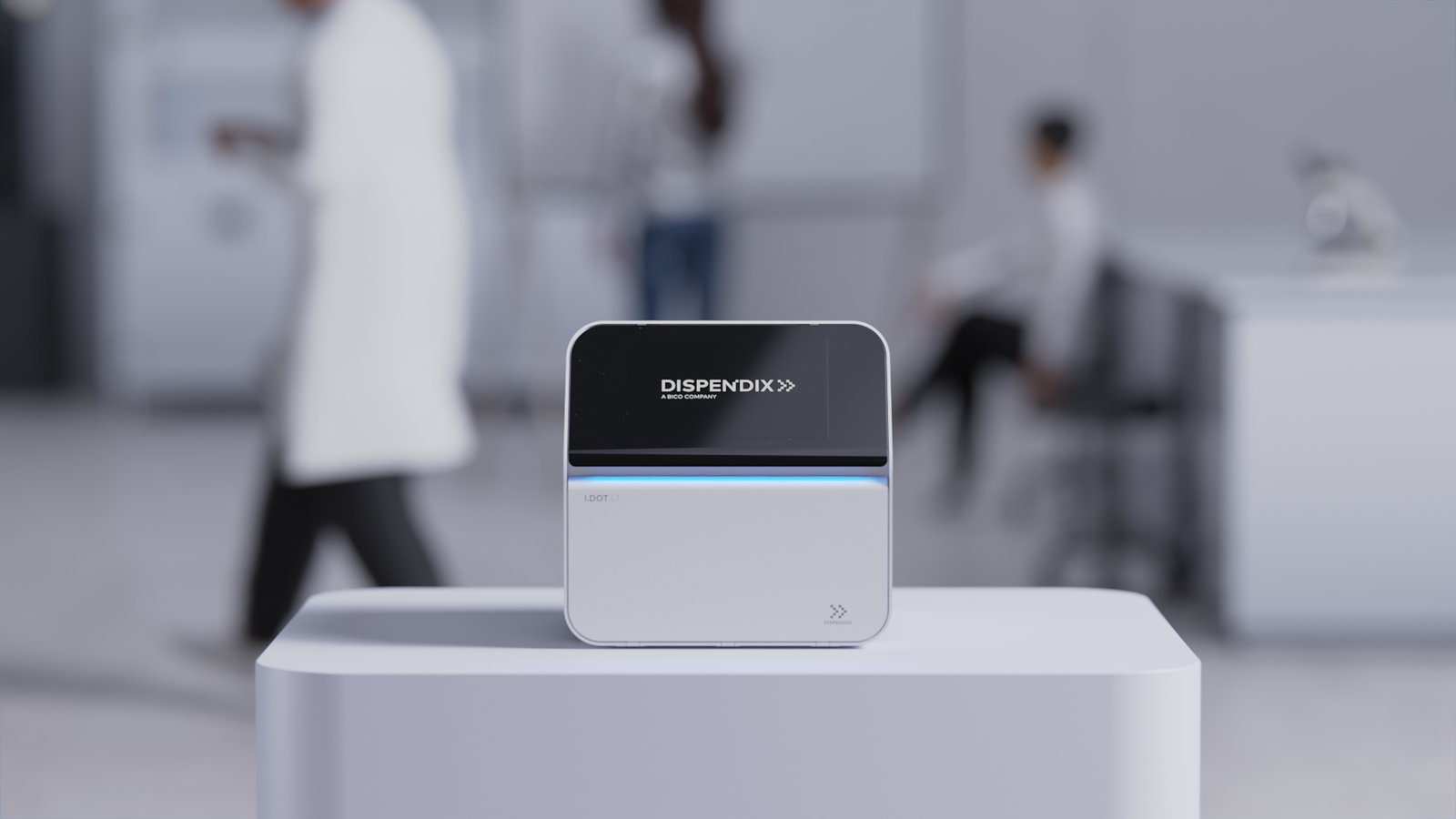
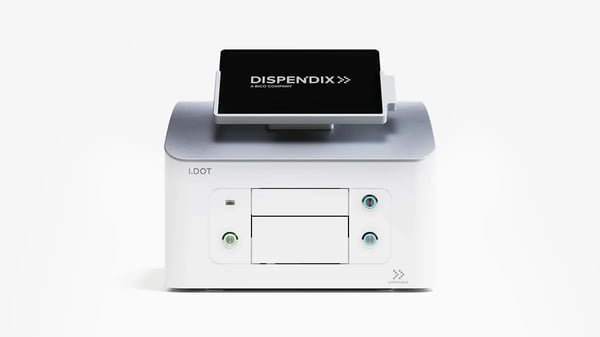
Following isolation, the plate is placed into the I.DOT for the initial cell lysis steps. Thanks to its nanoliter dispensing capabilities, the I.DOT can carry out this initial step in very low volumes.
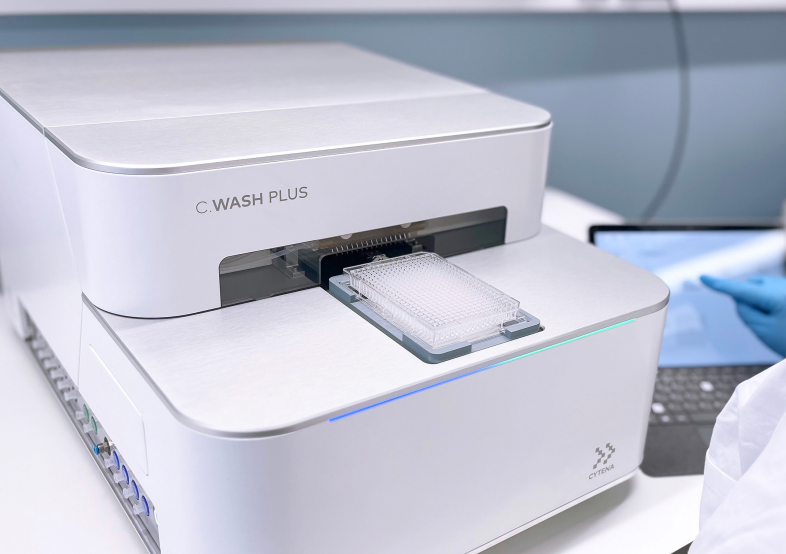
Finally, our C.WASH PLUS platform provides noncontact bead cleanup and final DNA purification, preparing samples for final NGS in a matter of minutes..
After purification, final samples are ready for sequencing and downstream data analysis. This workflow can be easily automated across all instruments to help save time and reduce plastic use.
Our single-cell dispensing technology enables label-free cell isolation based on imaging. In addition, cells can be sorted based on fluorescent markers to exclude dead cells or target subpopulations. The cell isolation process is documented by a series of images that provide proof of successful single-cell isolation and insight into cell morphology such as size, roundness or fluorescent intensity. These parameters can be directly linked to the library size or the sequencing data.
Accurate single-cell analyses and Next-Generation Sequencing (NGS) library preparation require efficient isolation of cells from the bulk sample and their precise deposition into PCR well plates. Our F.SIGHT is equipped with an automated offset correction (AOC) module that ensures cells are deposited into the center of each well, allowing cell lysis to occur in submicroliter volumes.
Automated liquid handling enables more efficient and reproducible single-cell library preparation by reducing hands-on time and operator variability. As workflows scale in complexity, miniaturized reagent dispensing helps lower costs and conserve valuable samples and reagents. The I.DOT noncontact liquid handling platform supports these needs by dispensing nanoliter volumes (8–50 nL) with precision, enabling miniaturized workflows across a range of single-cell omics applications while reducing waste and cross-contamination risks.
From library normalization to indexing and barcoding, the I.DOT accelerates complex workflows through high-throughput parallel dispensing. Hundreds of libraries can be processed in minutes, with up to 96 reagents dispensed simultaneously and up to 2,304 libraries uniquely barcoded from a single source plate.
Once NGS library preparation is finished, the libraries undergo DNA Purification. Traditionally, magnetic beads have been used to facilitate these washing steps. However, pipette-based methodologies are considered invasive and can result in significant bead loss. With our C.WASH platform, libraries can be purified and washed with noncontact centrifugal forces, reducing bead loss and avoiding unnecessary sample manipulation. Additionally, the C.WASH uses noncontact liquid dispensing technology to dispense all buffers onto the plates gently and without ever touching the DNA-covered beads.
The ability to index NGS libraries with unique DNA barcodes provides the basis for high-throughput single-cell sequencing. For single-cell full-length transcript sequencing or whole exome sequencing, individual libraries are usually indexed after amplification and fragmentation. Other RNA-seq protocols, such as CEL-Seq2, make use of early barcoding and pooling of single cells, requiring the addition of hundreds of barcoded primers before reverse transcription. Any cross contamination between barcode primers must be avoided, since it would make proper demultiplexing impossible.
Explore our application notes to learn how automated single-cell technologies are advancing single-cell omics research. Discover how precise cell isolation and dispensing workflows improve sample quality and enable high-resolution genomic, transcriptomic, and proteomic analyses.
The UP.SIGHT was used to enhance cell isolation efficiency, recovery rate, and dispensing speed at low concentrations while maintaining high cell viability.
The scPICO assay was developed to enable reference-free absolute quantification of proteins at the single-cell level. It combines the F.SIGHT for precise single-cell dispensing and the I.DOT for ultra-low-volume reagent handling.
Combining the features on the F.SIGHT OMICS, I.DOT, and C.WASH, these systems achieved a full-length scRNA-seq more efficiently and reduced manual effort while ensuring high-quality data.
Learn how the F.SIGHT™ uses fluorescent-guided single-cell dispensing to streamline the isolation, verification, and characterization of CRISPR/Cas9 RANKL knockout mesenchymal stem cell clones.
Dual-channel fluoroscent and brightfield sorting for precise isolation of labeled cells.

Tipless, low-volume non-contact dispensing with the I.DOT for fast, precise liquid handling with minimal waste across life science applications.
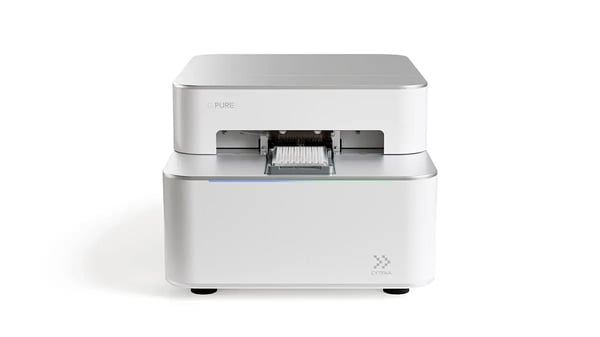
NGS clean up device, automated DNA purification at the push of a button.
A single-cell dispenser is automation-ready lab equipment that isolates individual cells into microplate wells quickly and gently, either for downstream culture, or analysis. CYTENA dispensers use microfluidics to generate picolitre droplets while real-time imaging that ensures that one cell is deposited — ideal for monoclonal cell line development, single-cell omics and microbial isolation.
Yes. Verified single-cell isolation gives clean, doublet-free input. F.SIGHT and UP.SIGHT are best suited, adding fluorescence selection and center-of-well precision dispensing with AOC.
AOC places the cell-containing droplet precisely at the center of a conical well, in as little as 1 µl of buffer. That precision enables sub-microliter reactions and library-prep miniaturization for single-cell omics. AOC is available on F.SIGHT and UP.SIGHT).