Understand why scientists are migrating from manual cell-line development to fully automated workflows with this all-in-one CLD workcell.
What is Cell-Line Development (CLD)? Its Origins and Background
Cell-line development (CLD) is the process of identifying, isolating, and expanding individual cells with the desired characteristics for a specific research or biopharmaceutical application. The foundations of modern CLD emerged alongside advances in recombinant DNA technology and the development of biologics, as researchers began engineering cells to produce specific proteins and other molecules of interest. Today, researchers typically begin with a large population of genetically modified cells and progressively narrow this population through selection, single-cell isolation, clone expansion, and screening to identify high-performing clones. These clones may be evaluated based on factors such as growth, viability, productivity, stability, and product quality before the most promising candidates are selected for further development. Because CLD involves screening large numbers of cells and performing repetitive, precise handling steps, it can become increasingly time- and labor-intensive as throughput increases.
Understanding how CLD works and where traditional workflows create bottlenecks, is the first step toward determining how automation can make cell-line development more efficient, consistent, and scalable.
Understanding how CLD works and where traditional workflows create bottlenecks, is the first step toward determining how automation can make cell-line development more efficient, consistent, and scalable.
Manual CLD – What Are the Fundamental Steps?
While specific CLD workflows vary depending on the cell type, application, and desired product, the process generally follows a series of core steps: cell transfection, selection, single-cell isolation, clone expansion, screening, and characterization. Traditionally, these steps rely heavily on manual pipetting, plate handling, microscopy, cell counting, and repeated transfers between culture vessels. After introducing the gene of interest, researchers first select cells that have successfully incorporated the desired genetic material. Individual cells are then isolated, often through manual limiting dilution, single-cell sorting, or dispensing, and expanded into clonal populations. As these clones grow, researchers monitor their viability and growth and screen them for characteristics such as productivity, product quality, and stability. Promising target clones are narrowed down and expanded for further evaluation and analysis. Although these manual approaches are well established, they require significant hands-on time and careful execution, particularly as the number of cells and clones being researched increases. Each additional candidate means more wells to manage, more transfers to perform, and more data to track, which create opportunities for variability and bottlenecks throughout the workflow.
Why A Lab Converts to Automated CLD?
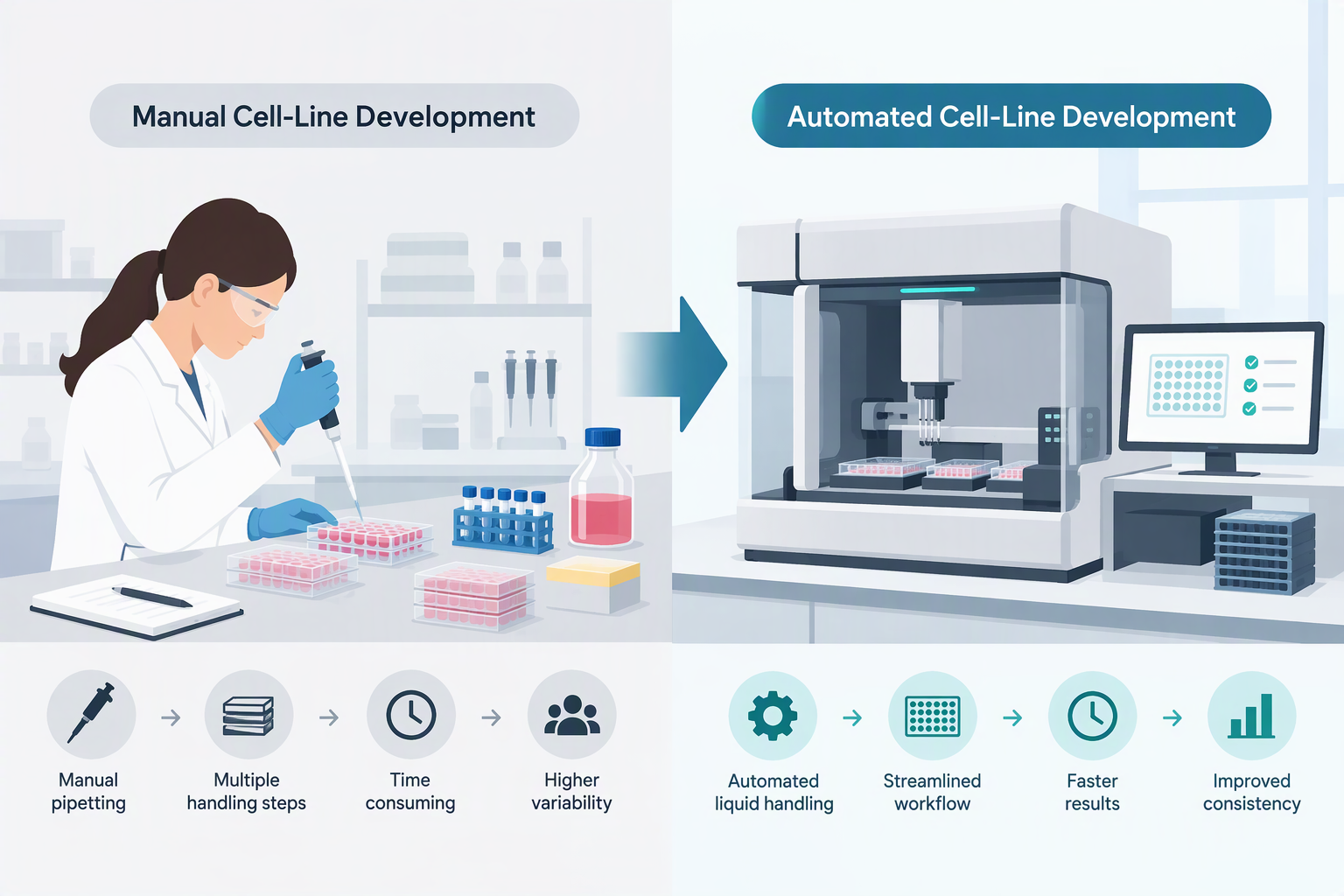
Figure 1: Showcases the benefits to convert from manual to automated CLD
As CLD workflows grow in scale, the limitations of manual processing become increasingly apparent. Screening larger numbers of cells and clones can provide more opportunities to identify high-performing candidates, but it also means more plates, repetitive pipetting, increased reagent consumption, and more hands-on time for researchers. Automating CLD can help laboratories increase throughput while maintaining the precision and consistency required for cell-line development. By automating repetitive tasks such as cell dispensing, plate handling, and clone selection, researchers can reduce on-the-bench labor and potentially lower reagent and operational costs over time. Automation can also help standardize workflows, reduce variability associated with manual handling, and free researchers to focus on higher-value experimental and analytical work. Importantly, transitioning to an automated CLD workflow does not have to mean introducing unnecessary complexity. With the right system, automation and instrument integration can be designed around the laboratory’s existing workflow, allowing researchers to gradually move from manual processes toward a more scalable, reproducible, and efficient approach to CLD.
Solution to Automated CLD is Closer Than You Think: C.STATION
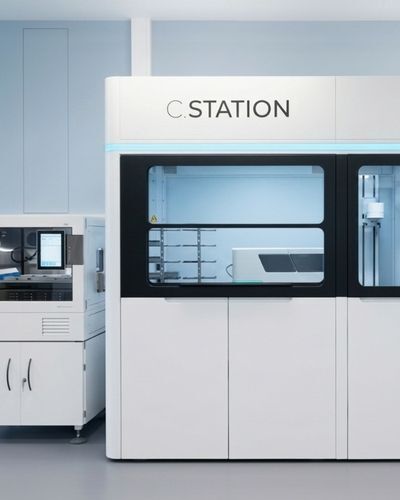
For laboratories looking to transition from manual to automated CLD, the solution may be closer than expected. C.STATION is an automated cell-line development workstation designed to bring key steps of the CLD workflow together in one integrated platform. Instead of managing multiple instruments and manually transferring samples between steps, researchers can use C.STATION to automate repetitive processes from single-cell dispensing and clone expansion through screening and selection, helping streamline the path from a heterogeneous starting population to high-quality lead clones. Embedded in the C.STATION are all the technologies that make these processes possible including the UP.SIGHT Single-Cell Dispenser, built-in shaker and incubator (Kuhner Shaker), top liquid handlers, robotic arms, C.STUDIO clone tracking software, and Biosero's Green Button Go Scheduling. (View Figure 2 below for more details)
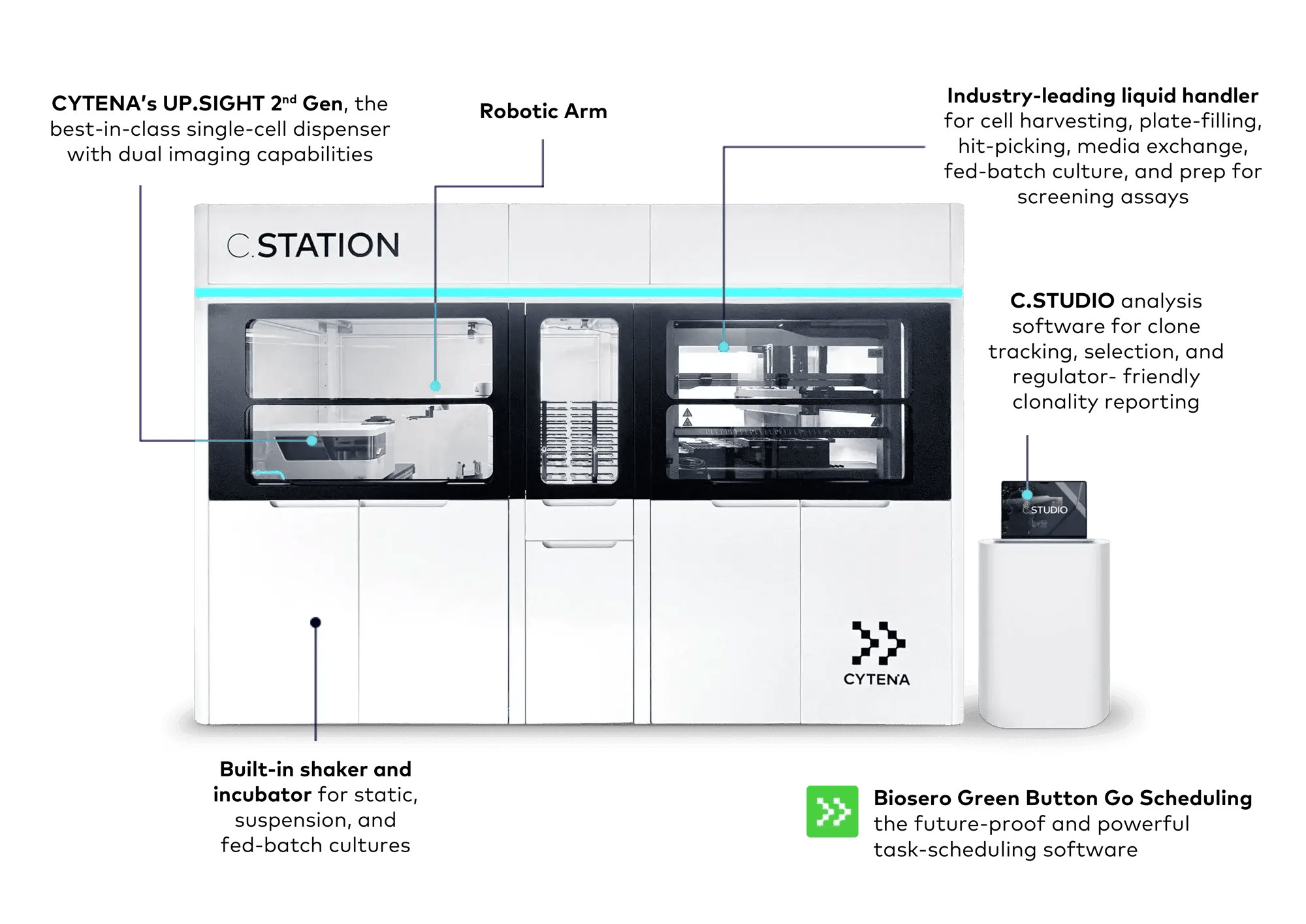
Figure 2: C.STATION components including the UP.SIGHT, C.STUDIO, and Biosero's Green Button Go Scheduling feature.
For the biologist, this means less time spent on pipetting and plate handling and more time focused on intentional, experimental design, data interpretation, and decision-making. C.STATION is designed to fit into established CLD workflows without requiring researchers to become automation specialists, making the transition to automated CLD more approachable while providing the scalability, consistency, and throughput needed for modern cell-line development.
Upgrading a CLD workflow does not have to mean completely reinventing the way a laboratory operates. By automating repetitive, labor-intensive steps, researchers can create a workflow that is better equipped to handle increasing sample volumes while improving consistency, efficiency, and scalability. C.STATION brings these capabilities together in an integrated solution designed around the needs of modern cell-line development. For laboratories ready to move beyond the limitations of manual CLD, the next step is understanding what automation can look like in practice, and how C.STATION can help transform the way clones are generated, screened, and selected. Take a closer look at several key components that make up the C.STATION below:
Upgrading a CLD workflow does not have to mean completely reinventing the way a laboratory operates. By automating repetitive, labor-intensive steps, researchers can create a workflow that is better equipped to handle increasing sample volumes while improving consistency, efficiency, and scalability. C.STATION brings these capabilities together in an integrated solution designed around the needs of modern cell-line development. For laboratories ready to move beyond the limitations of manual CLD, the next step is understanding what automation can look like in practice, and how C.STATION can help transform the way clones are generated, screened, and selected. Take a closer look at several key components that make up the C.STATION below:


